Introduction
Monel 400 and stainless steel flanges show different corrosion resistance, with Monel 400 outperforming in seawater and aggressive chemicals, whereas stainless steel provides a more economical option for moderate industrial settings.
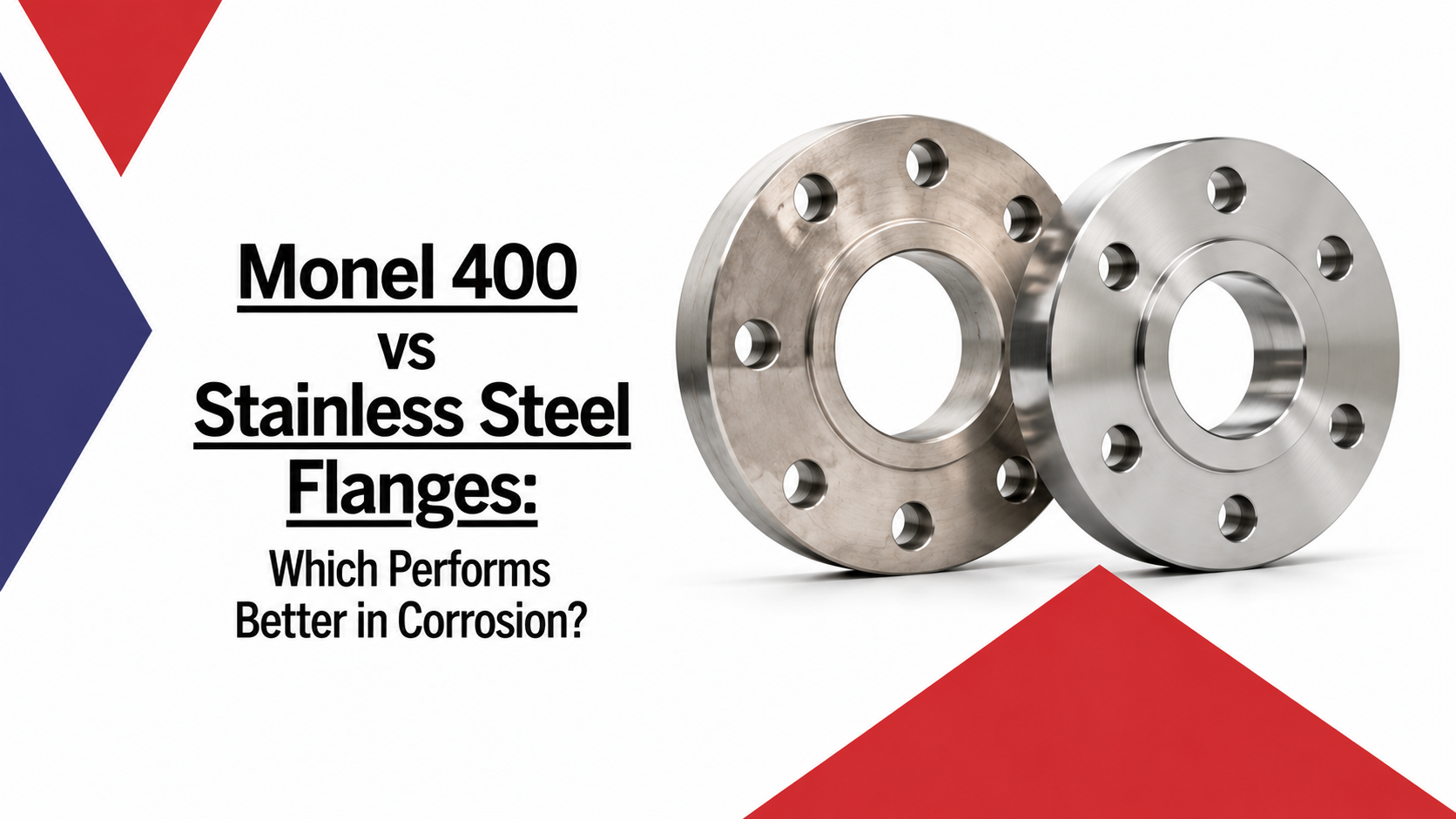
Corrosion resistance remains a critical factor in flange selection. Since varied conditions damage metals differently, incorrect material specification promotes premature wear. This blog compares Monel 400 and stainless steel flanges regarding corrosion, mechanical strength, applications, and cost. Reliable data from a trusted Monel 400 flanges stockist help engineers and procurement teams make educated selections for their high-stakes infrastructure projects.
What Are Monel 400 Flanges?
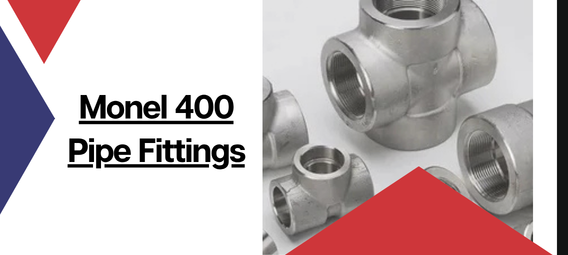
Monel 400 is a high-performance nickel-copper alloy defined by ASTM B564. The 63% nickel content in it provides high corrosion resistance and longevity in hostile environments, often surpassing the capabilities of stainless steel.
Key properties:
- Corrosion Resistance: Resistant to a wide range of corrosive media, it stands up to seawater, hydrofluoric acid, and alkaline environments where stainless steel struggles.
- Strength: Monel 400 has more tensile strength than standard alloys, which makes it capable to withstand the heavy mechanical loads in high-pressure piping systems.
- Durability: This material performs reliably across broad temperature spectrums. It serves as a versatile solution for both cryogenic and high-heat industrial processing applications.
Chemical processing, marine engineering, and seawater-exposed heat exchangers are common uses. The Monel 400 flange diameters we sell meet industrial standards. We ensure that all Monel 400 flanges we stock are certified and suited for critical service.
What Are Stainless Steel Flanges?
Stainless steel flanges are iron-based alloys containing at least 10.5% chromium. Grades 304 and 316/316L offer vital corrosion resistance and weldability for demanding industrial piping.
Key properties:
- Corrosion Resistance: Performs well in oxidising environments and general industrial atmospheres, though it can struggle in chloride-rich conditions.
- Affordability: Significantly lower cost than nickel alloys, making it the default choice for general-purpose applications.
- Versatility: Available in a wide range of sizes and forms, suitable for food processing, construction pipelines, and general industrial systems.
Understanding Corrosion: Why It Matters
Industrial plumbing failures are caused by pitting, crevice, or galvanic corrosion. Mechanical stress causes stress corrosion cracking, which accelerates component deterioration. These problems result in expensive leaks and system malfunctions. Consequently, the selection of materials must be regarded as a crucial technical priority.
Selecting the right alloy reduces these deteriorations. This is the best way to cut maintenance costs and avoid downtime. Effective engineering ensures system environmental resilience.
Corrosion Resistance Comparison: Monel 400 vs Stainless Steel
Resistance to Seawater & Marine Environments
Monel 400 shines. Continuous seawater exposure cannot pit or degrade it. This quality makes marine engineers employ it. Saltwater pits stainless steel, especially grade 304. Even Grade 316, which performs better, develops crevice corrosion in immersion. Monel 400 works more safely and lasts much longer offshore and also coastally.
Resistance to Acids & Chemicals
Monel 400 excels in hydrofluoric acid and alkalis, where stainless steel fails. Use Monel for fluorine compounds; stainless is better for nitric acid. Match material to your specific chemistry.
Stress Corrosion Cracking
Monel 400 resists cracking under high-pressure mechanical loads. Stainless steel often fails in chloride-heavy coastal environments. This makes Monel the essential choice for critical offshore service conditions and system safety.
Overall Durability in Harsh Conditions
Monel 400 outperforms stainless steel in brutal environments, requiring less maintenance and fewer replacements. The stainless steel is a cost-effective alternative only for moderate conditions where aggressive corrosion does not threaten your specific system.
Mechanical Properties & Strength
Monel 400 provides higher tensile strength than standard stainless steel grades such as 304. This strength enables it to endure mechanical loads and industrial stress more efficiently under challenging service conditions. It maintains its strength at high temperatures, while certain kinds of stainless steel compromise their mechanical integrity under prolonged heat exposure. Both materials exhibit robust wear resistance; however, Monel 400’s enhanced durability in hostile conditions renders it the favoured option when extended service life is critical for operations.
Sizes, Standards, and Specifications
Selecting the correct flange requires aligning mechanical requirements with international certifications. We provide Monel 400 and Stainless Steel flanges that meet the following industrial benchmarks:
| Feature | Monel 400 Specifications | Stainless Steel Specifications |
| Nominal Pipe Size | ½ inch to 24 inches | ½ inch to 24 inches (Standard) |
| Pressure Classes | 150# to 2500# | 150# to 2500# |
| Primary ASTM Standard | ASTM B564 | ASTM A182 / A240 |
| Dimensional Standards | ASME B16.5 / B16.47 | ASME B16.5 / B16.47 |
Cost Comparison & Availability
Monel 400 performs much better than alternatives in corrosive environments, which helps lower your maintenance and replacement rates. Sourcing flanges from a solid stockist means you get consistent quality and availability, avoiding any unpleasant project setbacks. It’s simply the workhorse material you need for tough situations. This strategy effectively protects your infrastructure and secures your long-term maintenance budget. It is possible for this material to survive the most severe conditions.
Industry Applications: Where Each Performs Best
Monel 400 Flanges:
- Marine Engineering: Seawater doesn’t stand a chance against this metal, which is why engineers rely on it for subsea pipes, offshore platforms, and shipbuilding.
- Chemical Processing Plants: It’s a lifesaver in plants because it handles hydrofluoric acid, the kind of stuff that eats right through normal stainless steel
- Heat exchangers: Even after heavy usage, these remain sturdy and resistant to heat transfer between corrosive fluids.
Stainless Steel Flanges:
- Food and Beverage Industry: Grade 316L is widely used due to its hygienic surface properties and resistance to food-grade chemicals.
- General Piping Systems: These versatile, budget-friendly pipes work perfectly for HVAC, general industry, and water treatment.
- Construction and Infrastructure: Used in structural and utility piping where corrosion risk is moderate, and budget efficiency matters.
Pros and Cons Summary
Monel 400 Flanges:
Pros:
- Improved corrosion resistance in marine and chemical conditions.
- Excellent resistance against stress corrosion cracking.
- Long service life, low long-term maintenance expenditures.
Cons:
- Higher upfront cost
- Less widely stocked than standard stainless grades
Stainless Steel Flanges:
Pros:
- Cost-effective with wide availability
- Versatile across many general-purpose applications
- Easy to source in standard sizes and grades
Cons:
- Less resistant to chloride and marine environments; susceptible to stress corrosion cracking
How to Choose the Right Flange Material
Prioritise the environment. Monel 400 is mandatory for offshore corrosion; onshore systems lean toward stainless steel. Move past the sticker price to assess comprehensive lifecycle costs, preventive maintenance schedules, and catastrophic downtime variables. For safety-critical systems where failure is costly, Monel 400 wins. Consult a specialist stockist to ensure you select the most precise material possible.
Conclusion
When choosing between Monel 400 and stainless steel flanges, you need to weigh the needs of the environment against the long-term value of the operation. Monel 400 is the superior choice for aggressive seawater, hydrofluoric acid, and chloride-rich systems where stainless steel might fail. For general-purpose needs with lower corrosion risks, stainless steel remains a versatile and affordable option. Selecting tough materials instead of chasing initial savings reduces the headache of downtime and repairs. Bhansali Nickel Alloy supplies the high-performance industrial flanges essential for your success. Reach out now. Purchase your core components from a reputable source to stretch your budget across the entire life cycle.